







Search Results for: Ironman Geisha
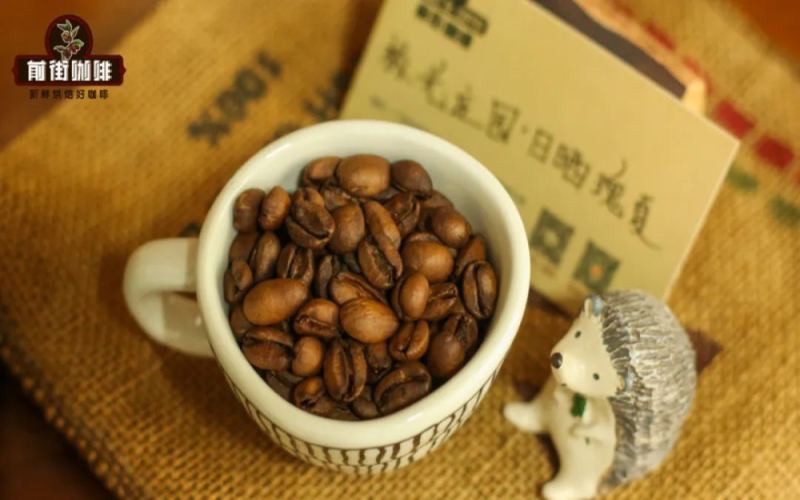
Panama Aurora Estate Ironman Geisha: Origin of the Name, the Road to BOP Victory, and a Flavor Analysis of the Natural Camilina
In the western valley of the Barú Volcano, near the Costa Rican border in Panama's Volcán region, lies a young estate established only in 2006—Auromar. The estate's name is a combination of the names of the owner Roberto's daughter Aurora and granddaughter Mar. Since winning the washed Geisha category at the BOP competition in 2013, Auromar has been shortlisted almost every year, and the Ironman Geisha has thus become widely renowned. The name "Ironman" stems from the owner's passion for triathlon, while the natural process lots are named after his granddaughter Camilina. This article will outline Auromar's geography and microclimate, the naming stories of the Ironman Geisha and Camilina, the natural processing workflow, and, combined with Front Street Coffee's roasting and pour-over recommendations, present this natural Geisha's floral aroma, strawberry, guava, and oolong tea aftertaste. [more…]
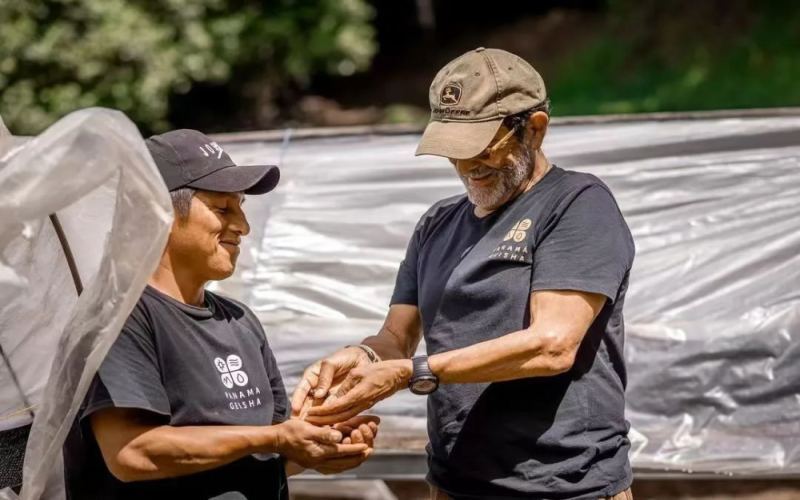
The Birthplace of Ironman Geisha: The Founding Journey and Flavor Revelations of Panama's Hacienda La Aurora
Have you ever heard of "Ironman Geisha"? Behind this resounding title lies the legendary story of Panama's Finca Auromar and its founder, Roberto Brenes. From a finance elite to a coffee estate owner, Roberto infused the fighting spirit of triathlon into Geisha cultivation, creating top-tier coffee that has repeatedly won BOP awards. Front Street Coffee takes you into this young yet highly accomplished estate to explore the origin of the name Ironman Geisha, the estate's microclimate, processing techniques, and the cupping flavors of Catalina Natural Geisha. Whether you're a Geisha enthusiast or a coffee professional, you'll feel Finca Auromar's ultimate pursuit of quality. [more…]
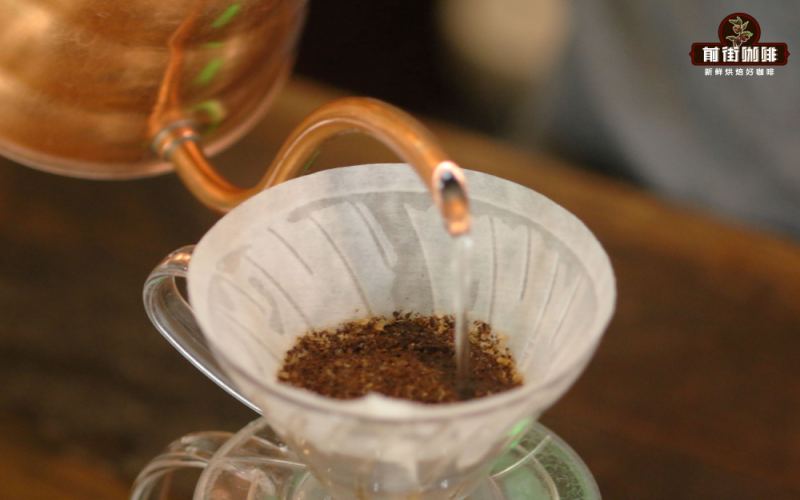
A Complete Guide to the Flavor Characteristics of Panama Aurora Estate Ironman Geisha and Pour-Over Parameters
Aurora Estate's Ironman Geisha has always been a legendary presence among Panamanian specialty coffees, and after winning the BOP championship in 2013, it gained extremely high attention in the Chinese market. The natural-process lot recently arrived at Front Street Coffee presents thick citrus, peach, and rose aromas, with a strong yet pure sweetness. This article will comprehensively sort out Aurora Estate's origin terroir, the naming origins and award history of Ironman Geisha, and, combined with actual cupping performance, provide a set of pour-over methods for light-roasted natural Geisha, including dripper selection, water temperature, coffee-to-water ratio, and pouring rhythm, to help you consistently extract this bean's floral-fruity character and juicy feel at home. [more…]
A Complete Guide to Panama Aurora Estate Geisha: Flavor Stories of Iron Man Washed and Camilina Natural, Plus Brewing Tips
Panama's Aurora Estate is located in the Volcán region, adjacent to the Costa Rican border, and rose to fame after winning the BOP Washed category with its Ironman Geisha in 2013. Estate owner Roberto Brenes, a former central bank governor, runs the estate with a triathlete's spirit: the washed lots are named Ironman, while the natural lots take their name from his granddaughter, Carmilina. Front Street Coffee has acquired this estate's new-season Carmilina Natural Geisha, given it a medium roast, and found that pour-over brewing brings out floral notes, yellow lemon, strawberry, guava, and an oolong tea finish. This article covers the estate's background in full, the naming origins of the two Geishas, the details of the natural processing, and Front Street's recommended brewing parameters and flavor notes. [more…]
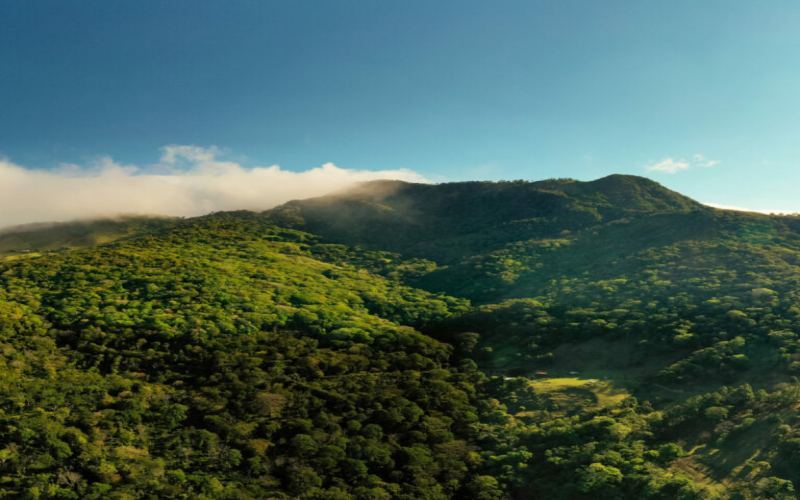
Panama Aurora Estate Ironman Geisha Pour-Over Tutorial: Three-Pour Technique and Flavor Analysis
Front Street Coffee recently introduced a Camilina Geisha coffee bean from Panama's Aurora Estate, whose flavor falls perfectly between Hacienda La Esmeralda's naturally processed Red Label Geisha and washed Green Label Geisha, showcasing smooth fruit acidity and rich layers. Aurora Estate is located in the valley on the western side of Baru Volcano. The estate owner, Roberto Brenes, once won the 2013 Best of Panama championship with a washed Geisha and named the champion batch "Ironman." This article will share, in detail, the three-stage pour-over parameters and flavor performance of this bean, from the estate's background and the variety's story to Front Street's roaster's medium-light roast recommendations, taking you to experience the charm of a Geisha that drifts as lightly as the aurora. [more…]
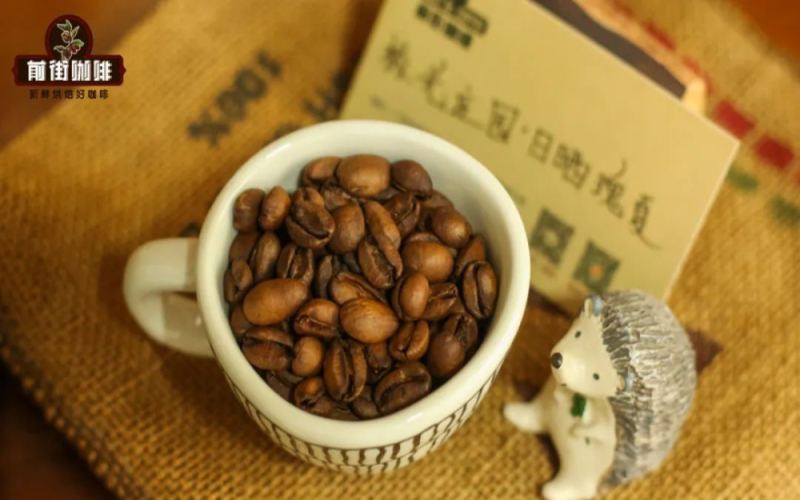
An In-Depth Analysis of Panama's Aurora Estate Geisha: The "Iron Man" Legend of the BOP Champion Estate and Catalina Flavors
In the Volcán region of Panama, there is an estate barely over a decade old that has repeatedly made the BOP list—Finca Auromar. Founded by former Panama Stock Exchange CEO Roberto Brenes, it shot to fame by winning first place in the 2013 BOP washed category with its "Ironman Geisha," and has appeared on the winners' list almost every year since. The estate's name comes from his daughter and granddaughter, and its Geisha lots are often named after family members, such as Camilina and Catalina. This time, Front Street Coffee brings a detailed review of the Catalina natural Geisha and the Soul Plot Catuai, offering a comprehensive look at this top Geisha estate's unique charm—from its history and microclimate to processing methods and cupping flavors. [more…]
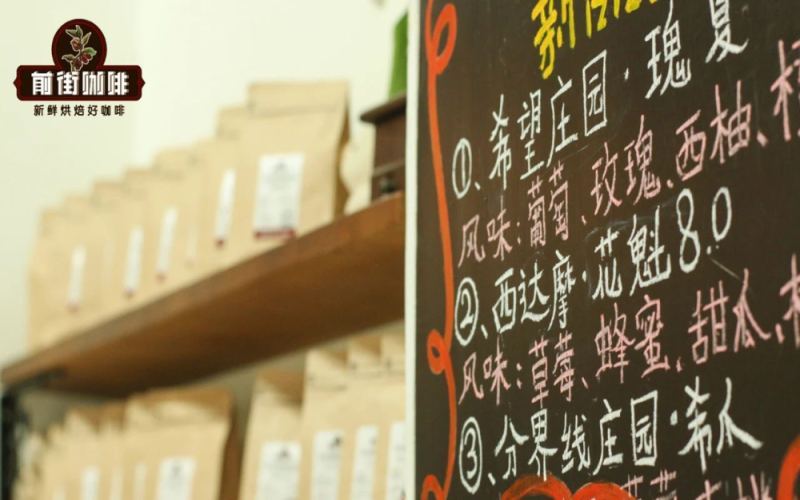
Analysis of the Flavor of Panama Aurora Estate Natural Ironman Geisha Coffee and Pour-Over Parameter Guide
Geisha coffee has always been celebrated for its elegant floral aroma and bright fruit acidity, and the naturally processed Geisha from Panama's Aurora Estate is among the very best. Estate owner Roberto Brenes once won the Best of Panama championship with his Iron Man Geisha, and his natural-process Camilina lot claimed the top spot again in 2016. Front Street Coffee's recently launched Aurora Estate natural Geisha is striking for its white floral notes, berry-like acidity, and sweet orange juice character. This article will walk you through the spread of Geisha and the terroir of Aurora Estate, and share Front Street's roaster's pour-over recommendations for this bean—including grind size, water temperature, coffee-to-water ratio, and staged pouring technique—so you can brew a full-flavored cup at home. [more…]
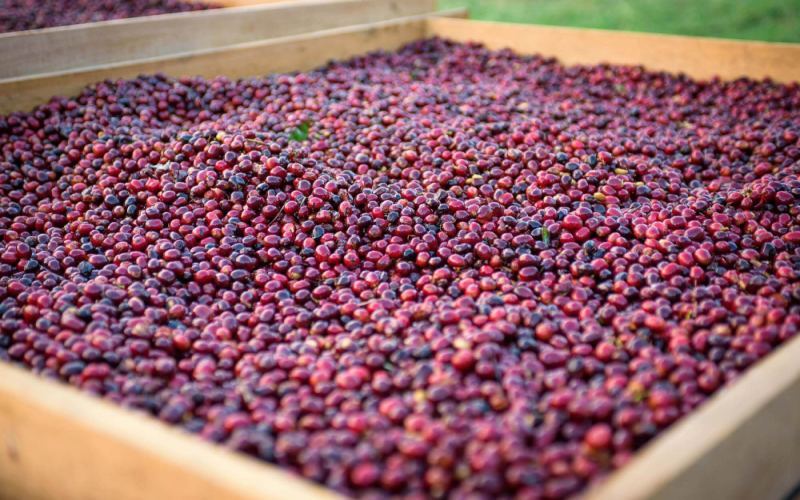
Panama Aurora Estate Geisha Coffee Flavor Analysis and Detailed Pour-Over Parameters Guide
Panama's Aurora Estate Geisha coffee has repeatedly won championships in BOP competitions thanks to its outstanding quality, with the 2013 Washed Ironman Geisha and the 2016 Natural Camilina Geisha being particularly remarkable. Front Street Coffee provides an in-depth analysis of Aurora Estate's growing environment, processing methods, and flavor characteristics, and shares the complete pour-over parameters and brewing suggestions for this Natural Geisha. The article also introduces the background story of estate owner Robert Brenes, and how Aurora Estate stood out amid Panama's Geisha boom. Whether you are a Geisha enthusiast or a pour-over player, you can gain practical coffee knowledge and brewing inspiration from it. [more…]
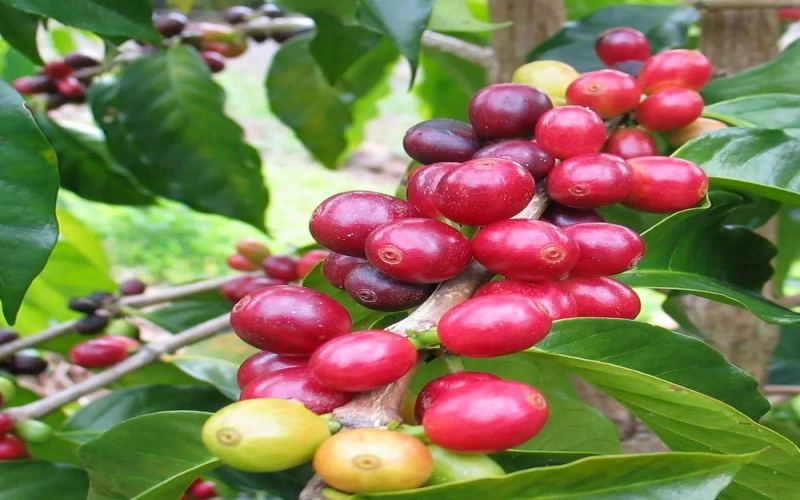
Geisha Coffee Brewing Techniques and a Full Analysis of the Sun-Dried Flavor of Panama's Aurora Estate
Geisha coffee is known as the luxury item of the coffee world, and its delicate varietal characteristics and high price make the brewing process especially noteworthy. This article focuses on the sun-dried Geisha from Panama's Aurora Estate, reviewing the estate's impressive results in BOP competitions and its processing methods, and sharing Front Street Coffee's custom pour-over recipe for Geisha—including a V60 dripper, 91°C water temperature, a 1:15 coffee-to-water ratio, and a three-stage pouring technique. It also analyzes the flavor layers of Aurora sun-dried Geisha—white floral aromas, berry-like acidity, and honey sweetness—and offers advice on resting and freshly roasting the beans, helping enthusiasts present this precious bean's full charm in a more reliable way. [more…]
Exploring Panama's Hartmann Estate: From Forest Conservation to the Unique Flavors of Natural Geisha
Hacienda Hartmann is one of the oldest coffee farms in the Volcan region of Panama and a coffee family of distinguished reputation. Since old Hartmann established the estate in 1940, he has upheld a philosophy of respecting nature, preserving large areas of primary forest, and making the estate a model of cooperation for bird conservation and academic research. The estate is located in the Baru Volcano region, with fertile volcanic soil and a high-mountain microclimate, and grows many bean varieties; in recent years it has become even more active in planting Geisha. This article introduces the history and current situation of Hacienda Hartmann and the flavor characteristics of its natural-process Geisha coffee beans, taking you to appreciate the unique charm of this coffee from a champion-producing region. [more…]
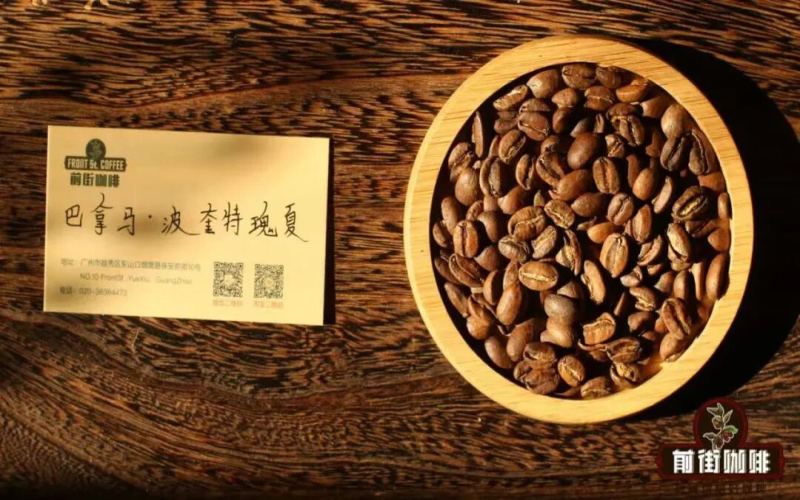
What Kind of Coffee Is Geisha?|Why Are Geisha Coffee Beans Always Associated with Panama? Which Coffee Regions Grow Geisha? What Makes Panamanian Geisha So Unique?
Many friends have noticed this phenomenon: whenever people chat about Geisha coffee, even though no specific region is mentioned, the first thing that often comes to mind is Geisha from Panama; or when talking about Panamanian coffee, they will directly assume it is the Geisha variety; some even go so far as to directly [more…]
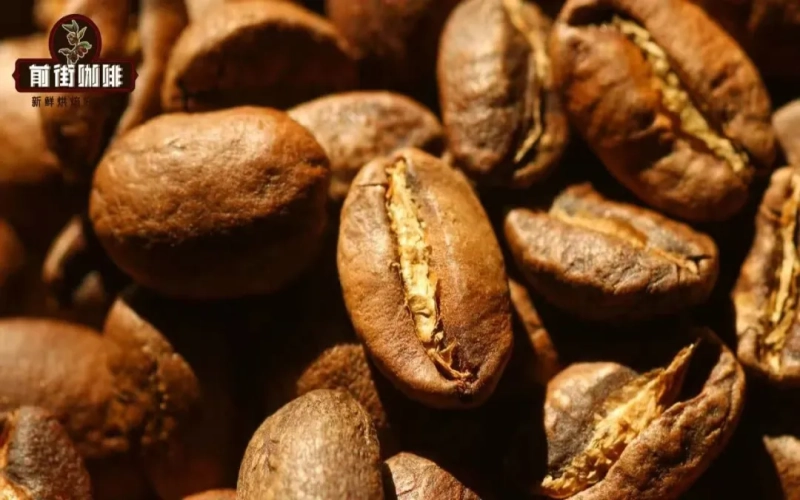
Flavor Differences Between Ethiopian Geisha and Panamanian Geisha: Same Name, Different Variety—Why the Huge Gap in Price and Taste
Geisha coffee varies significantly in flavor and price depending on its origin and processing method. Among them, Ethiopian Geisha and Panamanian Geisha often spark lively discussion among coffee enthusiasts due to their stark differences in price and taste. Although the two share the name "Geisha," they are actually entirely different varieties. Panamanian Geisha originated from the Geisha forest in Ethiopia, was discovered by Hacienda La Esmeralda, and won the 2004 BOP competition, known for its white floral notes, citrus fruit character, and green tea-like quality, with the designation T2722; Ethiopian Geisha, on the other hand, tends to have a rich, juicy mouthfeel and is genetically more distantly related to Panamanian Geisha, making it something of a distant relative. This article will outline the origins and flavor differences of the two, and recommend several high-value Geisha beans from Front Street Coffee for comparative tasting. [more…]
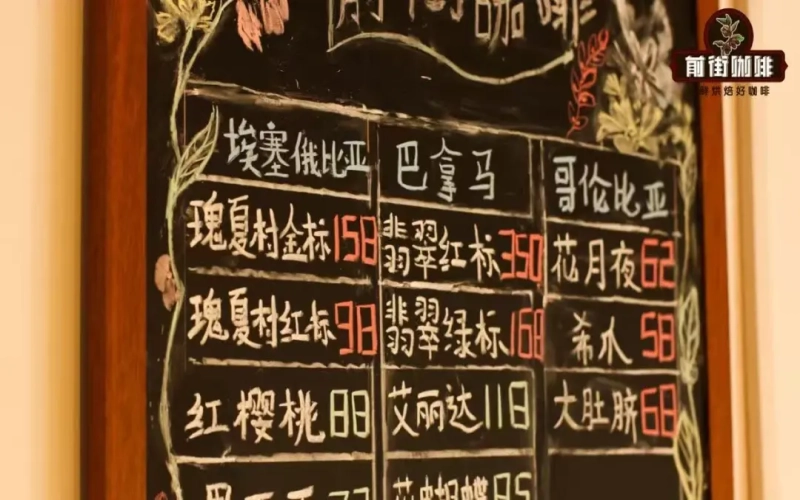
An Analysis of Geisha Coffee Flavor Profiles: Comparing the Differences Between Panama, Ethiopia, Peru, and Costa Rica Geisha
Why does coffee that is also called Geisha taste so different? From Front Street Coffee's perspective, this article systematically sorts out the flavor tiers and producing-region differences of Geisha coffee. The article points out that variety, terroir, processing method, and roasting together determine the taste of coffee, among which variety accounts for 70% of the base flavor and terroir accounts for 30%. Front Street Coffee recommends the washed Geisha from the Boquete producing region of Panama as the entry-level choice for the classic "Geisha flavor," and compares in detail Hacienda La Esmeralda's Red Label and Green Label, 90+ Eleta Anaerobic Geisha, Costa Rica Strawberry Candy, Peru Cajamarca Washed Geisha, as well as Ethiopia Gesha Village's Gori Geisha and Geisha 1931. Whether you want to get to know traditional Geisha or explore the style variations of different producing regions and processing methods, you can find clear references in it. [more…]

What is the price tier of Panama Hacienda La Esmeralda Red Label Geisha coffee beans? An analysis of Geisha flavor, taste, and grading system
Geisha coffee is often regarded as the pinnacle of specialty coffee, especially the Red Label, Green Label, and Blue Label lots produced by Panama's Hacienda La Esmeralda, whose prices and flavors attract much attention. From the perspective of Front Street Coffee, this article systematically reviews the history of Geisha's spread, the differences between Ethiopian and Panamanian Geisha, the grading methods of Gesha Village, and the three major plots of Hacienda La Esmeralda along with the Red Label, Green Label, and Blue Label tier system, and analyzes the reasons behind Geisha coffee's high price. The article also retains product information and brewing suggestions for Front Street's Emerald Red Label, Green Label, and Blue Label Geisha, making it suitable reading for coffee enthusiasts who want to gain a deeper understanding of Geisha's grades and flavor. [more…]
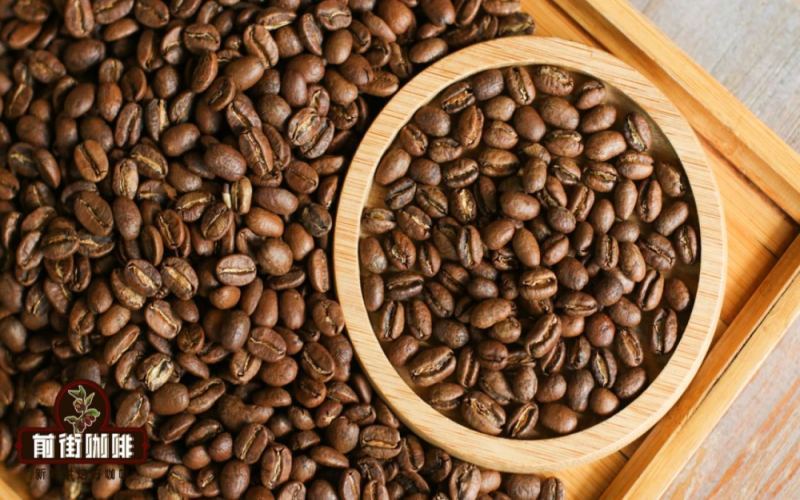
The Complete Guide to the Geisha Variety: Why Is Panamanian Geisha So Expensive? How to Choose Light to Medium Roasts
There are many varieties of Geisha coffee, from Panama to Ethiopia, Colombia, and Peru, with different origins, estates, and grades combining to create coffee beans of distinct styles, with prices ranging from a few dozen to several hundred. This article uses the 8 Geisha coffees available at Front Street Coffee stores as examples to outline the origin, estate, grade, and flavor characteristics of each, and to share a unified light-medium roast brewing parameter and tasting experience. Whether you want to experience the classic Geisha flavor or explore new flavors, you can find an option that suits you. [more…]
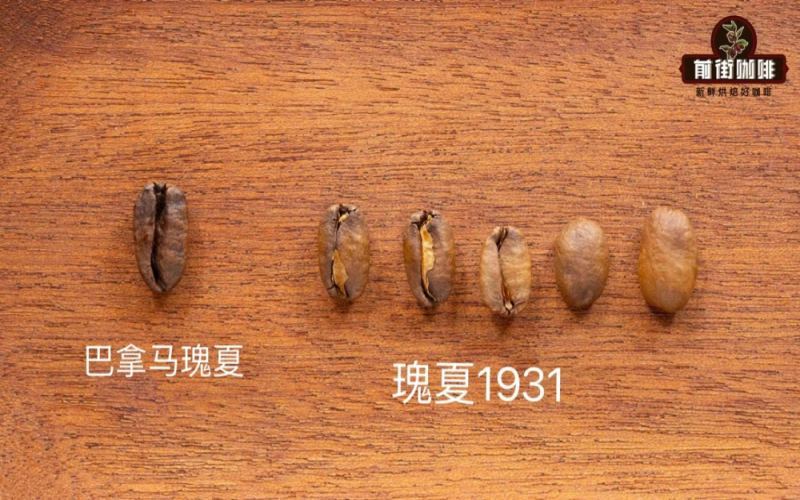
Analysis of Flavor Differences in Geisha Coffee Across Global Producing Regions: Ethiopia, Panama, and Costa Rica Compared
Geisha coffee is famous for its captivating floral aroma, but this signature flavor actually comes mainly from the Panama region. When Geisha was introduced to Ethiopia, Costa Rica, and other places, its flavor profile showed noticeable differences. This article starts with three Geisha coffees from Front Street Coffee—Panama, Costa Rica, and Ethiopia—and compares the variety background, estate information, and cupping flavors of each region one by one. Ethiopia, as the birthplace of Geisha, has a Geisha Village variety with very little genetic connection to Panama Geisha; Panama's Hacienda La Esmeralda, meanwhile, established the floral definition of Geisha, with its Red Label, Green Label, and Blue Label each having distinctive characteristics; Costa Rica's Little Candle Estate, thanks to its unique microclimate, also produces a clean and elegant Geisha flavor. Through this article, you will gain a comprehensive understanding of the characteristics and main flavor descriptions of Geisha coffee from different origins. [more…]
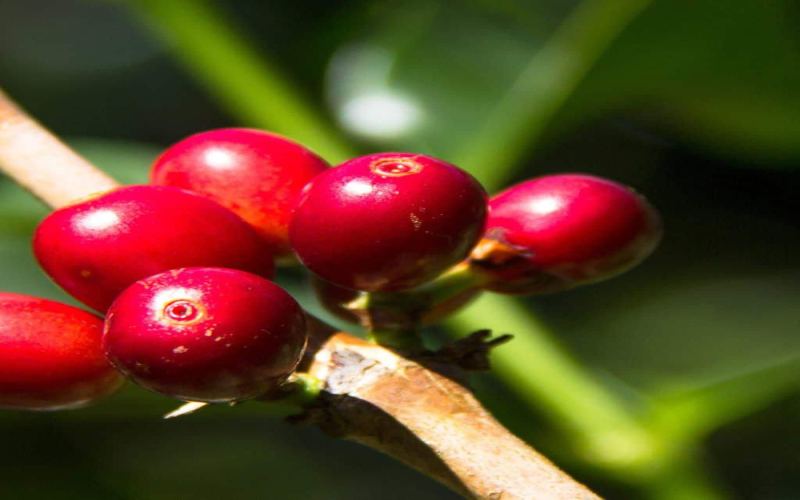
Complete Guide to Geisha Coffee Beans: From Origin and Spread to Taste Grades and Flavor Differences with Huakui
Geisha, hailed as the most legendary coffee variety of the 21st century, has become an undisputed star in the specialty coffee world thanks to its stunning cupping performance and ever-rising auction prices. But where exactly did Geisha come from? Is it the same bean as Huakui? How do you distinguish between the Red Label, Green Label, and Volcanic Rock lots from Panama's Hacienda La Esmeralda? How does the product line from Gesha Village in Ethiopia differ? This article, led by Front Street Coffee (FrontStreet Coffee), will systematically trace Geisha's rise to fame, its varietal characteristics, and its flavor expression across different producing regions, along with practical brewing suggestions to help coffee lovers gain a comprehensive understanding of this legendary variety. [more…]
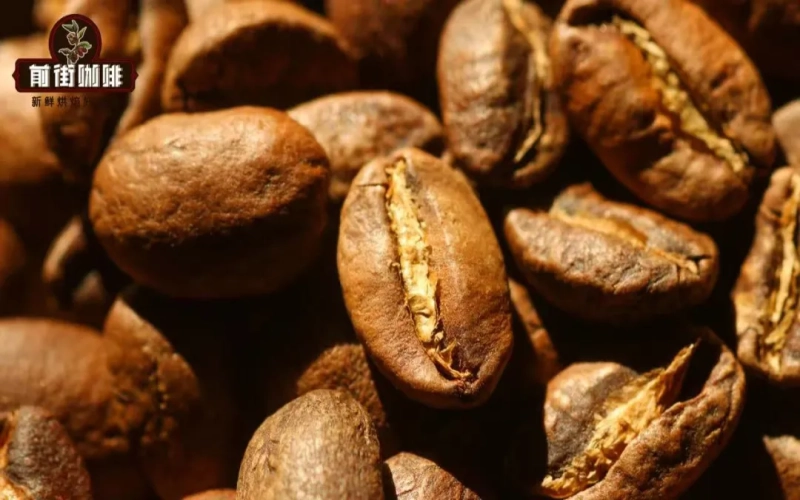
The Difference Between Panama Geisha and Ethiopian Geisha: The Origins and Naming Code of the World's Most Expensive Coffee
Geisha consistently tops the list of the world's most expensive coffees, but many people ask: why is Panama always emphasized whenever Geisha is mentioned? Are Panama Geisha and Ethiopian Geisha actually the same thing? This article begins with the 1931 collection in Ethiopia's Kaffa forest, tracing the complete journey of Geisha as it passed through Kenya and Costa Rica, and was eventually discovered and made famous at Hacienda La Esmeralda in Panama through the Best of Panama (BOP) competition. It explains the origin of the T2722 designation, as well as the commercial logic behind the many "Geisha" names on the market. The article also explains how to distinguish origin by the spelling difference between Gesha and Geisha, and includes Front Street Coffee's purchasing advice and product recommendations. [more…]
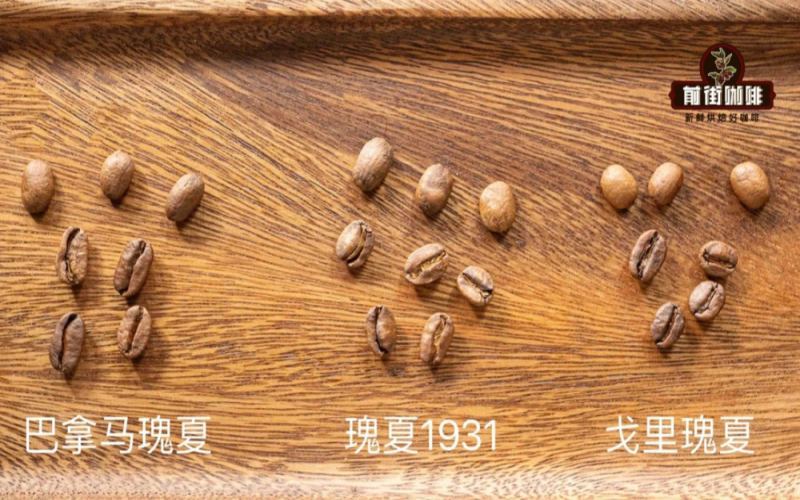
Why Is Geisha Coffee So Expensive? A Complete Guide from Variety Characteristics to Cost-Effective Buying
As one of the most sought-after varieties in the specialty coffee world, Geisha commands a high price for multiple reasons, including variety yields and growing conditions. This article, from the perspective of Front Street Coffee, systematically breaks down the root causes behind Geisha coffee's persistently high prices and shares several Geisha options that balance quality and value, including Geisha in blend form and entry-level lots from representative estates, helping coffee lovers gradually achieve "Geisha freedom" within their budgets while also understanding the flavor directions of different grade lots such as Hacienda La Esmeralda's Blue Label and Geisha Village's Green Label. [more…]

Can Geisha Coffee Be Used to Make Espresso? A Guide to Panamanian Geisha SOE Flavor Analysis and Extraction Parameters
Geisha coffee has been highly sought after in recent years, but is it suitable for making espresso? Starting from the origins and flavor characteristics of the Geisha variety, this article analyzes why competitors in barista competitions favor Geisha, and offers pour-over recommendations for Front Street Coffee's Emerald Estate Green Label Geisha. At the same time, addressing the bean selection and extraction challenges of Geisha SOE, it introduces the medium-roast positioning, flavor performance, and specific espresso parameters of Front Street Coffee's Grana Geisha SOE, helping coffee enthusiasts find a balance between cost and flavor, so they can make a cup of Geisha Americano or latte with clear floral and fruity notes at home. [more…]